
What is the ‘Right and Appropriate Way’ of Learning an Art?
[vc_row enable_arrows_animation=”no” css=”.vc_custom_1624007689940{padding-bottom: 5% !important;}”][vc_column][vc_column_text]
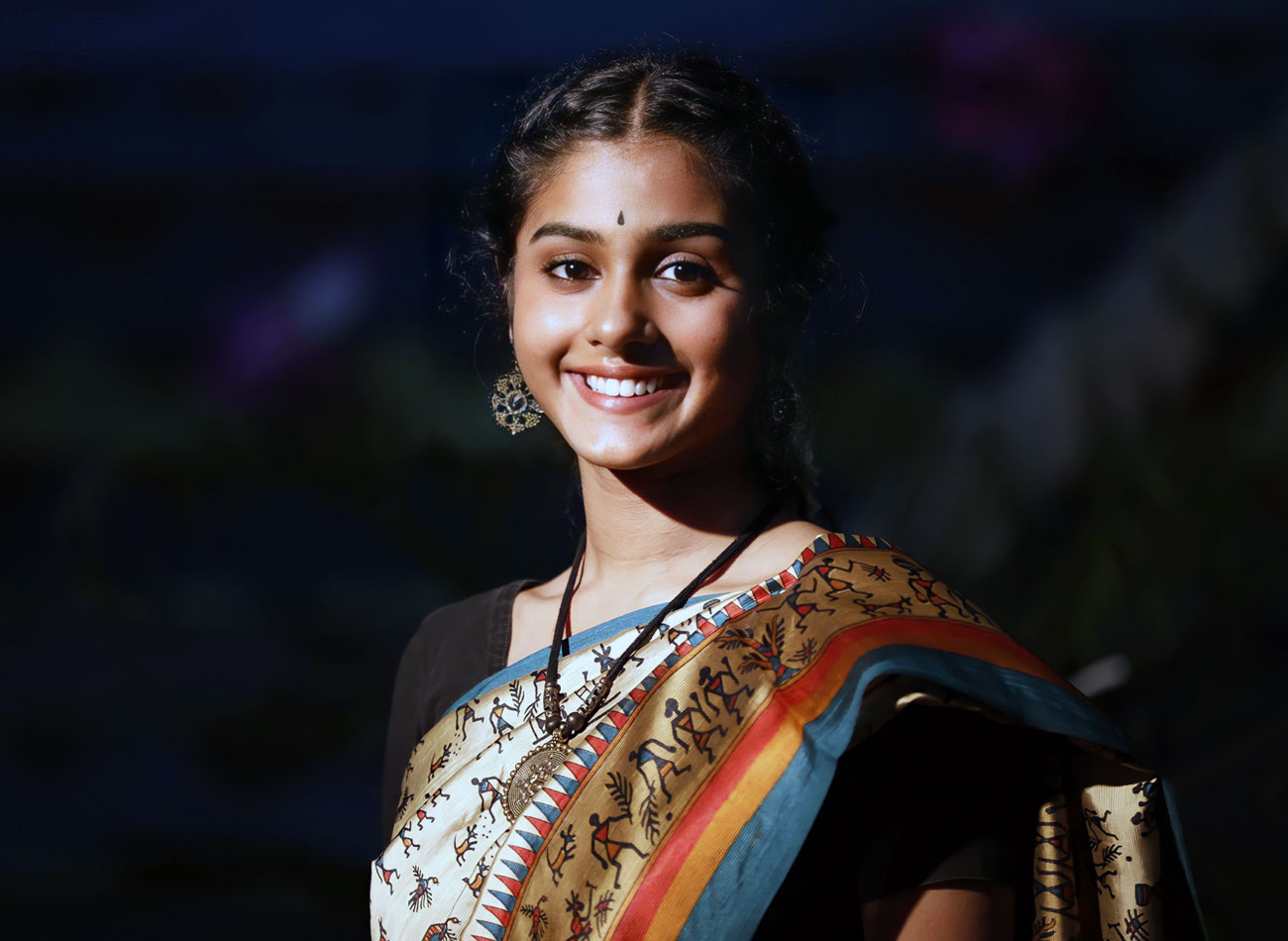
An article by SHREYA MURTHY, Passionate Performer of Classical Dance
[/vc_column_text][vc_row_inner css=”.vc_custom_1624007608524{padding-top: 3% !important;}”][vc_column_inner][vc_column_text]EDITOR’S NOTE: Shreya Murthy hails from a musical family and began formally learning Bharatanatyam from the Singapore Indian Fine Arts Society at the age of 6. She completed her Bharatanatyam diploma and Arangetram and was awarded with the title “Natya Visharad” by her esteemed institution.
Shreya is currently a disciple of the renowned and legendary dancer, Smt. Priyadarsini Govind. She is undergoing rigorous advanced training in Chennai under her tutelage.
Some reputable solo performances of Shreya over the last few years include the prestigious SIFAS Festival, Ananya Samarpana Festival in 2020, Kalaa Utsavam in 2020 and she was the lead dancer for the Mandolin and Beyond International Concert 2021, featuring Sri Mandolin U Rajesh and Sri Anil Srinivasan. She has also participated in group productions at prestigious venues in Singapore. Recently, her guru gave her the opportunity to be a part of her new initiative; Navadarshana’s Learning Ladder, where she was featured in a series of Abhinaya modules.
Some notable competitions that she has won include the Papansam Sivan and Bharatham competitions and most recently she emerged as the Champion for the Dance Category in the “Raga and Beyond” competition by Indian Raga and Arte Compass Singapore.
Shreya aspires to pursue her passion in dance with humility and dedication.
IN THIS HIGHLY THOUGHT-PROVOKING ARTICLE FOR INDIAN SOUNDS & STEPS, SHREYA MURTHY PROPOUNDS THE BENEFITS OF BEING A ‘REFLECTIVE’ ARTIST – FOR BOTH THE ART FORM AND THE ARTIST. KEEP READING!
[/vc_column_text][vc_separator css=”.vc_custom_1624010429324{padding-top: 3% !important;padding-bottom: 1% !important;}”][vc_column_text]
THE SHREYA MURTHY ARTICLE
What is the ‘Right and Appropriate Way’ of Learning an Art?
Sri Ponniah Pillai’s unique composition in Shri raga comes to my mind, as he describes, not a devotee, but a dancer marveling the beauty of the Thanjavur Periya Temple, asking for certain qualities to make him a better artist. This verse stuck with me the most:
[/vc_column_text][/vc_column_inner][/vc_row_inner][vc_row_inner css=”.vc_custom_1676783947103{padding-top: 40px !important;}”][vc_column_inner width=”1/2″][vc_column_text]
variyAgha vaghuttu uyarnda tozhil sheyya muraiyAgha nA karkkak-karuNai puri IshA;
Oh Lord, pave the path for me to do this great profession and take compassion on me by letting me learn it in the right and appropriate way.
I found this very intriguing when I first heard this composition. In all the other verses, the dancer asks for tangible qualities such as, unwavering rhythmic sense or favorable musical knowledge. Yet, this verse is special, as the dancer is asking not for a skill, but for the right mindset. So, what is the right and appropriate way of learning an Art?[/vc_column_text][/vc_column_inner][vc_column_inner width=”1/2″][vc_video link=”https://youtu.be/6dANJfAVzR0″][vc_column_text]
Watch Shreya Perform as the Lead Dancer at Mandolin & Beyond International Concert, Singapore
[/vc_column_text][/vc_column_inner][/vc_row_inner][vc_row_inner][vc_column_inner][vc_column_text]Discovering a Higher Purpose or Goal
With any activity or profession, one must surrender themselves to the task at hand first. However, this is especially so in the Arts, as Art is something that is created within us, before reaching the audience. After a certain level of training, an artist must discover a higher purpose or goal for themselves. Why do we dance, for example? Is it merely to garner applause, or is it to understand our emotions better? Is it a means to exercise, or a means to develop discipline? Or is it a multitude of factors?
A problem I find today is that the main purpose of practicing an Art has become less about the Art, and more about the superficialities surrounding it. There has been a great loss of self-awareness and self-regulation amongst artists. Since I am a dancer and trained in the dance form of Bharatanatyam, I will use Natyam as an example.
Natyam has seen everything. It has seen age-old temples, some of the most famous kings, huge processions and prestigious stages and venues. Now it lives in the era of social media. Social media is tricky because it has widened the reach of many art forms all over the globe. It has also empowered artists who are unable to perform on a physical stage regularly (for a variety of reasons) to present their work.
Should the Bare Minimum Becomes Enough?
However, it has made ‘success’ (referring to popularity or fame in this scenario) more attainable. Simply because the audience or ‘fans’ on social media are easier to please, and its reach is much wider. A 15-second ‘jathi’ clip can pull a hundred thousand views, yet does not require as much effort as performing an entire varnam, for instance.
‘A social media post with a #classicaldance hashtag may attract online audiences, but also enables a standard that spiritless and technique-lacking dancing is ample for an aspiring artist.’
[/vc_column_text][/vc_column_inner][/vc_row_inner][/vc_column][/vc_row][vc_row enable_arrows_animation=”no”][vc_column][vc_row_inner css=”.vc_custom_1624012669427{padding-top: 3% !important;}”][vc_column_inner width=”1/2″][vc_gallery interval=”5″ images=”12354,12355,12356,12357″ img_size=”450×360″ onclick=”” css_animation=”fadeIn”][/vc_column_inner][vc_column_inner width=”1/2″][vc_column_text]Posting ‘Tiktoks’ with mindless choreography and calling it ‘#classicaldance’ may attract online audiences, but also enables a standard that spiritless and technique-lacking dancing is ample for an aspiring artist. This is where the complacency seeps in for some. The drive to push oneself reduces further, as the bare minimum becomes enough.
Natyam is then diluted. And the values meant to be imparted through dance, such as resilience and humility, dissipate. We begin to forget the laborious and sincere effort that is required on a daily basis to become a serious performing artist. So we must ask ourselves, what then is the plight of our Natyam? As an artist, how will we develop ourselves if we are so easily satisfied with our work?[/vc_column_text][/vc_column_inner][/vc_row_inner][vc_column_text]Being Your Own Critical Eye
Finding a balance between performing for others, and performing for oneself is essential. Else, the purpose of our Art becomes shallow, as we get lost in this insidious world of praise. Hence, the necessity of defining the ‘right and appropriate way’ of learning has become more crucial in recent times to neutralize such issues.
To me, the right and appropriate way of learning an Art is to become a reflective practitioner. Being a reflective practitioner simply means being self-aware. Being your own critical eye. It is stepping out of a well-received show and thinking ‘Where could I have done better?’ and ‘Where have I done well?’ In a snap, we can get swept away by the applause and short-lived glory, and sink into a dangerous state of comfort with ourselves. To prevent a stroll down this slippery slope of stagnation, one must constantly strive for better. The paradox of being a reflective performer is that you should only feel truly satisfied when you are not satisfied at all.
‘The paradox of being a reflective performer is that you should only feel truly satisfied when you are not satisfied at all.’
Keeping the mind open to self-correction (and of course, the Guru’s corrections) gives the ability to imagine and empathize. Only if we are reflective of every experience and our surroundings can we give something new to our Art each time we practice and perform. Art then becomes personal and less for the public.
Ultimately, it is up to us to pave the right and appropriate way of learning for ourselves. However, in doing so, we must remember the responsibility we carry to our age-old art form. Art can give us everything. It can brings us closer to other beings. It can create a new understanding of our body and the physical space around us. It can separate us from the present, take us to the past and let us envision a future.
When Art can give us so much, we must repay it by giving it the adequate sincerity when we learn, perform and teach it.
[/vc_column_text][vc_separator css=”.vc_custom_1624011263768{padding-top: 3% !important;padding-bottom: 3% !important;}”][/vc_column][/vc_row][vc_row enable_arrows_animation=”no” css=”.vc_custom_1474355814165{padding-bottom: 10px !important;}”][vc_column][vc_column_text]
CONNECT WITH SHREYA MURTHY ON
DID YOU LIKE THIS ARTICLE? WRITE TO US AT
support@indiansoundsandteps.com
[/vc_column_text][/vc_column][/vc_row]